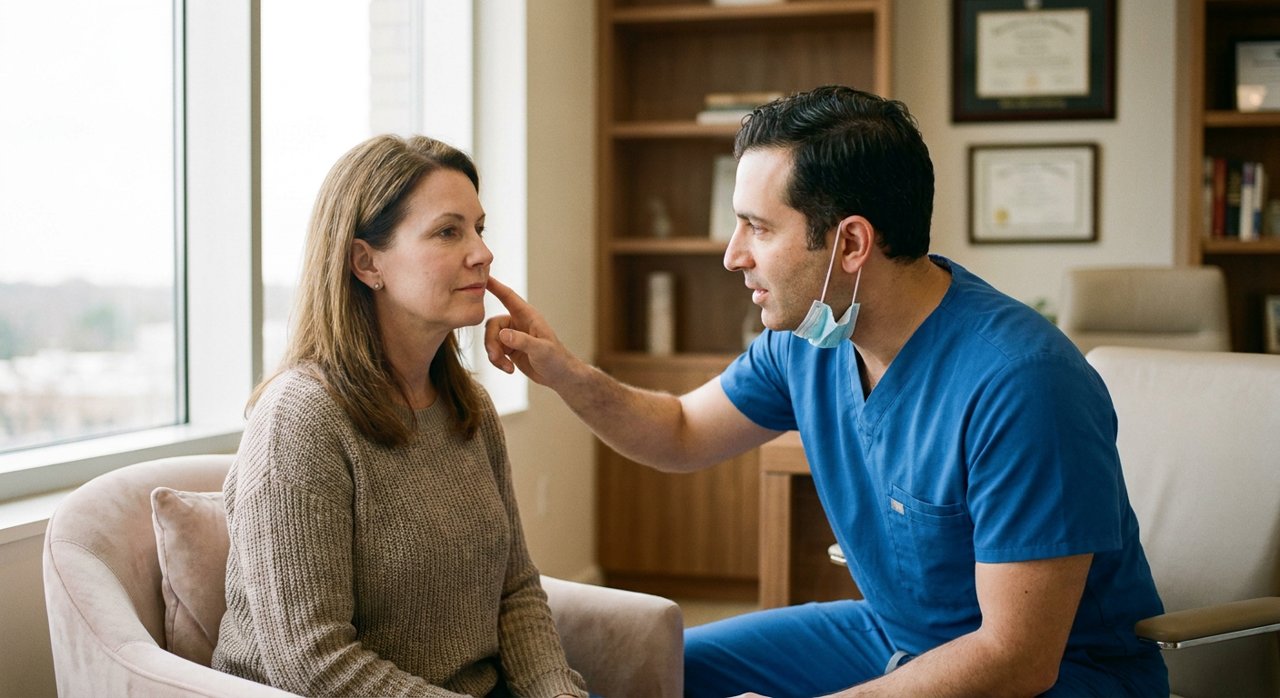
On June 24, 2026, Fortune reported that ASPS president Dr. Bob Basu now routinely sees facelift patients in their 40s and 50s, a group that used to be a "60-plus crowd." The driver he names is GLP-1 weight loss, which leaves facial hollowing and sagging that injectables can soften but not permanently correct. For a clinic, that is the whole story in one sentence: a problem you have been treating with filler is starting to read, to some patients, as a surgical problem.
The numbers around it are not small. Gen X underwent close to 11 million minimally invasive procedures in 2024 and accounted for more than half of all neuromodulator injections that year, so this is already your busiest tox-and-filler cohort, not a fringe one. Nearly two in five surgical cosmetic procedures in 2024 were performed on Gen X patients, and the American Academy of Facial Plastic and Reconstructive Surgery logged a 50% rise in fat-grafting in 2024, the procedure most often used to put lost facial volume back.
The thing worth sitting with is the direction of travel. Fortune frames Gen X as a high-spend group, projected at $23 trillion in buying power over the coming decade, and "Ozempic face" is quietly moving some of that spend from recurring injectable revenue toward one-time surgery you may not offer. That does not mean the filler conversation is over, but it does mean a 48-year-old on semaglutide is a different consultation than a 48-year-old who is not, and worth mapping referral relationships with a surgeon before the patient finds one without you.
Source: Fortune — https://fortune.com/2026/06/24/gen-x-ozempic-face-surgery-botox-filler/